 EVCP Info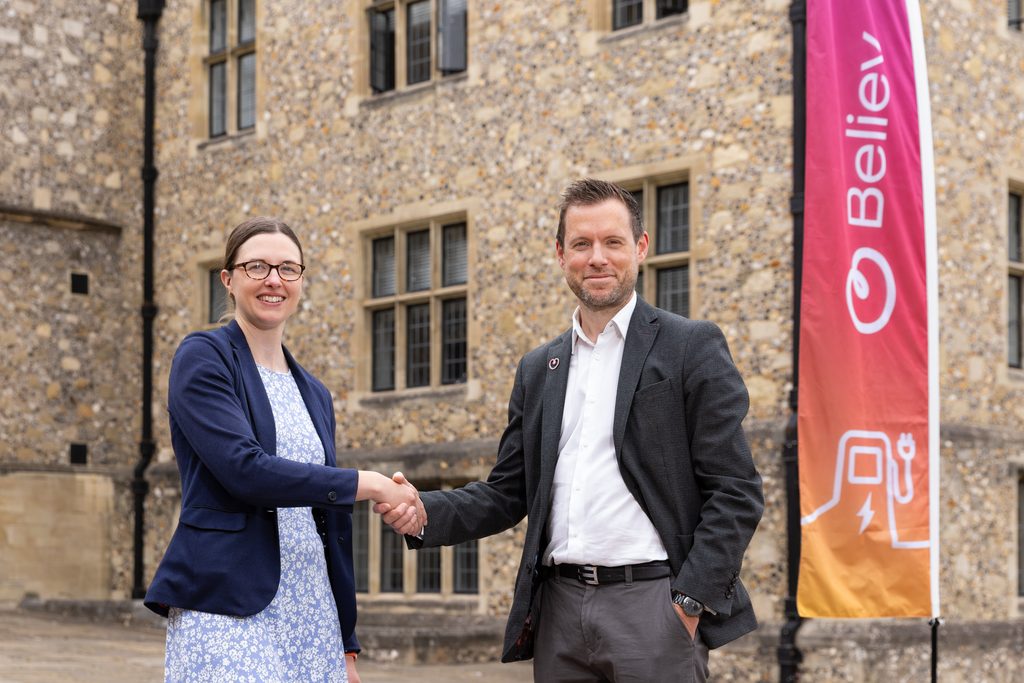
Article contents
The scale of the rollout reflects a specific challenge in Hampshire: a significant proportion of residents do not have access to a private driveway. According to RAC data cited by the partners, around a third of Hampshire residents lack off-street parking, a figure that rises to 38% in Winchester and Rushmoor and 39% in Basingstoke. For these households, public charging is not a backup option – it is the primary way they would charge an EV, making the availability and convenience of public infrastructure directly relevant to purchasing decisions.
The majority of chargers to be installed are 22kW standard plus sockets, targeting long-stay and overnight charging use cases – destinations where drivers leave their cars for extended periods and want them to be charged on return. The council and Believ have framed their ambition as providing a charge point within a five-minute walk of households where possible, an accessibility standard that moves the conversation from raw charger numbers toward genuine coverage.
Believ, backed by Legal & General, has been building its position in the UK public charging market through precisely this kind of large-scale local authority partnership. The Hampshire contract significantly extends its geographic footprint and provides a long revenue runway – though, as with all contracts of this type, execution over a multi-year programme in an environment of grid constraints and varying planning timelines presents a material operational challenge.
The deal is significant for the wider market because it demonstrates that private capital is willing to back very large public charging programmes when the concession structure, funding support and geography are right. Whether the model can be replicated at equivalent scale in other counties will depend on both the availability of LEVI funding from central government and the willingness of local authorities to commit to the long-term contractual relationships that operators need to justify the investment.
Related articles
UK rapid-charging tariff spread reaches roughly 39p-93p/kWh
UK rapid and ultra-rapid public charging prices now span roughly 39p/kWh to 93p/kWh across selected tariffs in Chargenet's 11 September comparison, illustrating how difficult…
More than 90% of UK councils have public charging, but on-street gap remains
More than 90% of UK councils have at least one public EV charger within their area, but only 39% report on-street charging provision, according…
Lidl cuts rapid-charging price and invests £10m in 100 more chargers
Lidl GB has reduced its rapid-charging tariff for Lidl Plus users from 62p/kWh to 59p/kWh while committing another £10 million to expand its owned…