 EVCP Info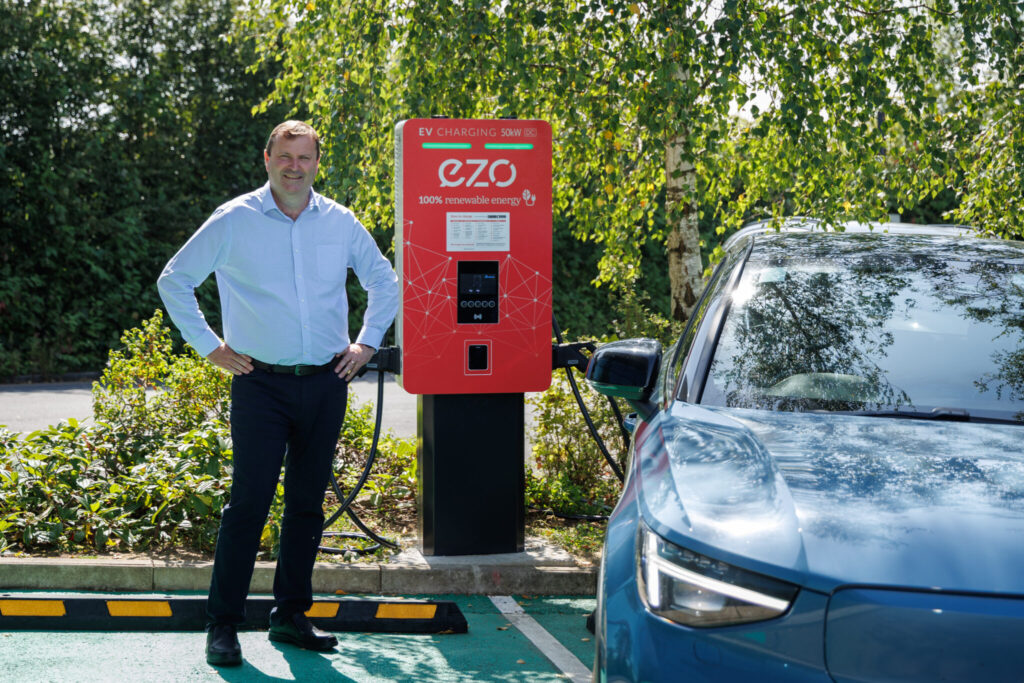
Article contents
The deal was awarded by the Fourth Midlands EV Infrastructure Consortium – a partnership between Worcestershire County Council, Warwickshire County Council, Leicestershire County Council and Rutland County Council – working alongside Midlands Connect, the sub-national transport body for the region. The contract will see 250 new chargers installed across the four council areas, serving a combined population of around two million residents.
A notable feature of the structure is that the councils themselves make no direct capital contribution. The project is funded by the UK Government and delivered by EZO, mirroring the model used in the Hampshire deal awarded to Believ, where LEVI (Local Electric Vehicle Infrastructure) funding from central government underpins the network build while the operator funds the remainder. In EZO’s case, the consortium also worked through Midlands Connect to ensure that the deployment aligned with the region’s wider transport planning priorities.
EZO is a relatively newer entrant in the UK CPO space, and the scale of this award reflects a growing trend in how councils are approaching public charging procurement. Rather than running small, piecemeal programmes, local authorities are increasingly seeking long-term concession-style arrangements where a single operator takes responsibility for the full lifecycle of the infrastructure – design, installation, maintenance and revenue – often with minimal upfront cost to the public sector.
For operators, winning these large contracts carries significant execution risk: delivery timelines are long, grid connection delays can derail programmes, and uptime requirements under the government’s reliability rules mean the operational burden does not end at installation. But the revenue visibility offered by a 15-year contract with a defined geography is attractive in a market where many smaller operators have struggled to build predictable income streams.
The Midlands win adds to the evidence that the public charging market is increasingly becoming a contest between operators capable of managing large, complex, publicly tendered programmes – and those that are not.
Related articles
UK rapid-charging tariff spread reaches roughly 39p-93p/kWh
UK rapid and ultra-rapid public charging prices now span roughly 39p/kWh to 93p/kWh across selected tariffs in Chargenet's 11 September comparison, illustrating how difficult…
More than 90% of UK councils have public charging, but on-street gap remains
More than 90% of UK councils have at least one public EV charger within their area, but only 39% report on-street charging provision, according…
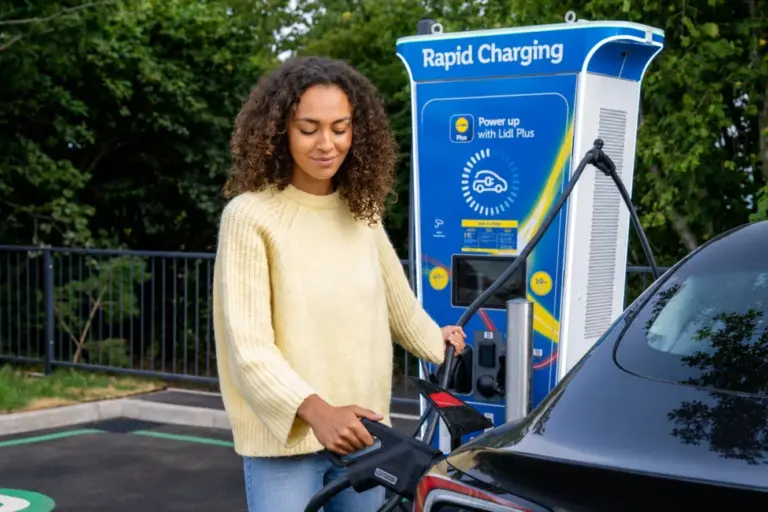
Lidl cuts rapid-charging price and invests £10m in 100 more chargers
Lidl GB has reduced its rapid-charging tariff for Lidl Plus users from 62p/kWh to 59p/kWh while committing another £10 million to expand its owned…