 EVCP Info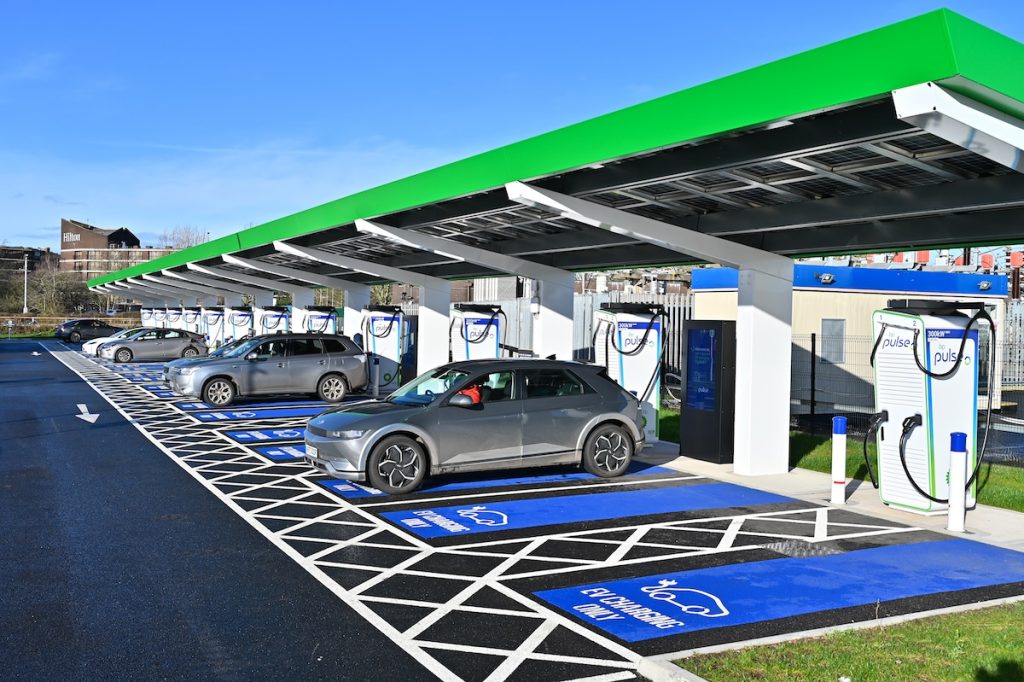
Article contents
As of the end of May 2026, Zapmap recorded 121,262 EV chargers across 46,664 UK locations – a network that is materially larger than it was even 18 months ago. The Department for Transport’s April 2026 figures put the total at 119,080 public chargers, including 27,372 rated rapid or above. By any measure the network is growing. But the number of operators running those chargers is shrinking, and the forces driving that are structural rather than cyclical.
The cost squeeze is real
Ultra-rapid charging hubs require grid reinforcement, civil works, canopies, payment terminals and ongoing maintenance programmes. Those upfront costs are high, repayment timelines are long, and utilisation rates across much of the network remain insufficient to service debt comfortably. Six networks account for 50% of all rapid and ultra-rapid chargers in the UK, according to Zapmap’s May 2026 data, with MFG EV Power, Osprey and BP Pulse holding the top positions in that segment. Concentration like that is a sign that scale advantages have begun to compound.
Grid delays are adding to the pressure
Connection wait times across the UK have caused repeated project delays, pushing commissioning dates back and inflating financing costs. For smaller operators without large balance sheets, the gap between site agreement and revenue generation can be fatal.
Regulation is also tightening
The UK government’s public EV charger reliability requirements – which demand that operators maintain minimum uptime standards – are shifting the conversation from charger installation to charger operation. Demonstrating reliable performance over time is a different capability from building out quickly. It favours operators with mature maintenance infrastructure and penalises those who have grown faster than their operational capacity.
Where is it leading to
The exits have been notable. Mer sold its UK public charging network to Be.EV, retreating to focus on Nordic and other European markets. Trojan Energy collapsed and was acquired by Connected Kerb. EO Charging entered administration and was picked up by Pod. Norwegian hardware company Easee changed majority ownership. These are not isolated incidents – they form a pattern.
What is emerging is a smaller group of better-capitalised operators competing for a market that is, in aggregate, still growing. Large public procurement contracts – like Believ’s Hampshire deal and EZO’s Midlands win – are concentrating investment in the hands of operators who can demonstrate delivery capability at scale. For the broader EV transition, that may be no bad thing. Reliability matters more to wavering EV buyers than the raw count of chargers. But for the dozens of smaller CPOs that built their business plans around an ever-expanding market, the arithmetic is increasingly uncomfortable.
Related articles

Jolt Capital and Tesi acquire VEV from Vitol
Commercial fleet-electrification company VEV has moved into new ownership, with Jolt Capital and Finnish state-owned investor Tesi acquiring the business from Vitol alongside VEV…
Wigan launches £110m EV charging concession for council car parks
Wigan Council has opened procurement for a long-term electric vehicle charging concession covering council-owned car parks across the borough. The selected partner will be…

Rightcharge raises £500,000 to expand fleet charging payments across Europe
UK fleet charging payments business Rightcharge has raised £500,000 from existing investors as it expands its home-charging reimbursement and charging-payment services across Europe.