 EVCP Info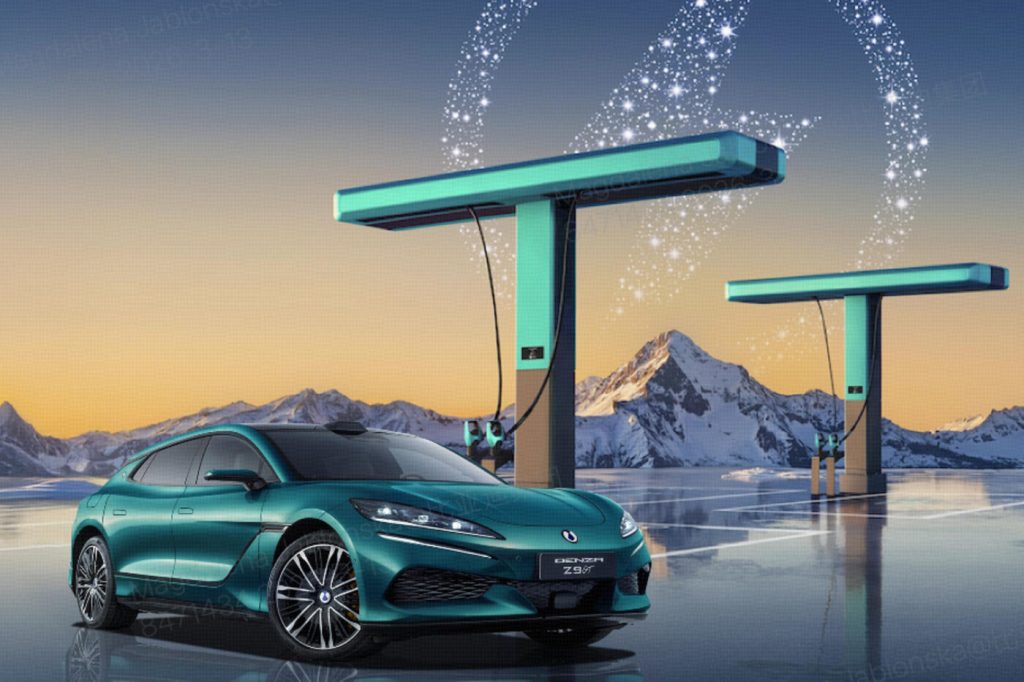
Article contents
The technology is built around BYD’s second-generation Blade Battery and is capable of delivering up to 1,500kW through a single connector. BYD markets the system with the slogan “Ready in 5, Full in 9, Cold Add 3”, meaning a battery can be taken from 5% to 76% charge in roughly five minutes, fully charged from 5% in around nine minutes, and that a battery in cold conditions adds approximately three minutes to those times. Those figures, if borne out in real-world use, would represent a step change in charging speed that begins to close the gap with the experience of refuelling a petrol vehicle.
The company says it intends to roll out up to 300 FLASH chargers across the UK. No detailed site plan or timeline for that rollout has yet been made public, and a key constraint will be the grid infrastructure needed to support a charger drawing more than a megawatt from the network at a single point. Grid connections of that scale require significant reinforcement and can carry lead times of several years in some parts of the UK.
BYD’s move reflects a broader global trend toward dramatically higher charging speeds. In China, where BYD has already deployed FLASH charging infrastructure, the regulatory and grid environment is more accommodating of rapid installation. Several other manufacturers, including Xpeng and Huawei, have been competing in the same power bracket in the Chinese market, creating commercial pressure to match or exceed those speeds internationally.
The UK demonstration is as much about brand positioning as it is an immediate infrastructure announcement. BYD is competing hard for market share in the UK’s fast-growing EV market, where it is still building name recognition against established European and American brands. Demonstrating world-leading charging technology is a way of establishing credibility — and signalling to potential buyers that the ecosystem around its vehicles will be capable of supporting genuinely fast charging as that infrastructure develops.
Whether 1,500kW charging becomes widespread in the UK within the next few years depends heavily on grid investment and the pace at which compatible vehicles enter the market. For now, the technology exists. The infrastructure race to deploy it at scale is only beginning.
Related articles

Electreon introduces 11 kW above-ground wireless EV charger
Electreon has introduced Lite DOT, an above-ground stationary wireless charging system for electric passenger cars and light commercial vehicles, at IAA Transportation 2026 in…
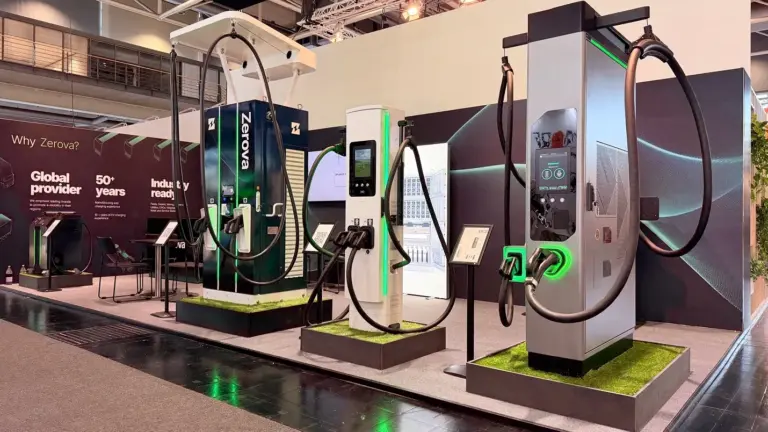
Zerova brings 1.44 MW MCS dispenser to Europe
Zerova has introduced its megawatt-class MCS fleet satellite dispenser to the European market at IAA Transportation 2026 in Hanover, specifying up to 1,440 kW…
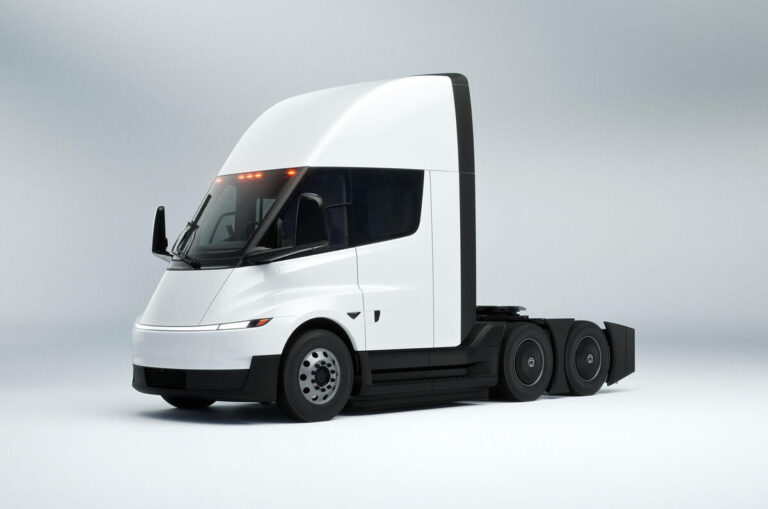
Tesla reveals European Semi with 800 kW charging and MCS 3.2
Tesla has published the first detailed European specification set for the Semi, listing approximately 550 km of range at a 40-tonne gross combination weight…