 EVCP Info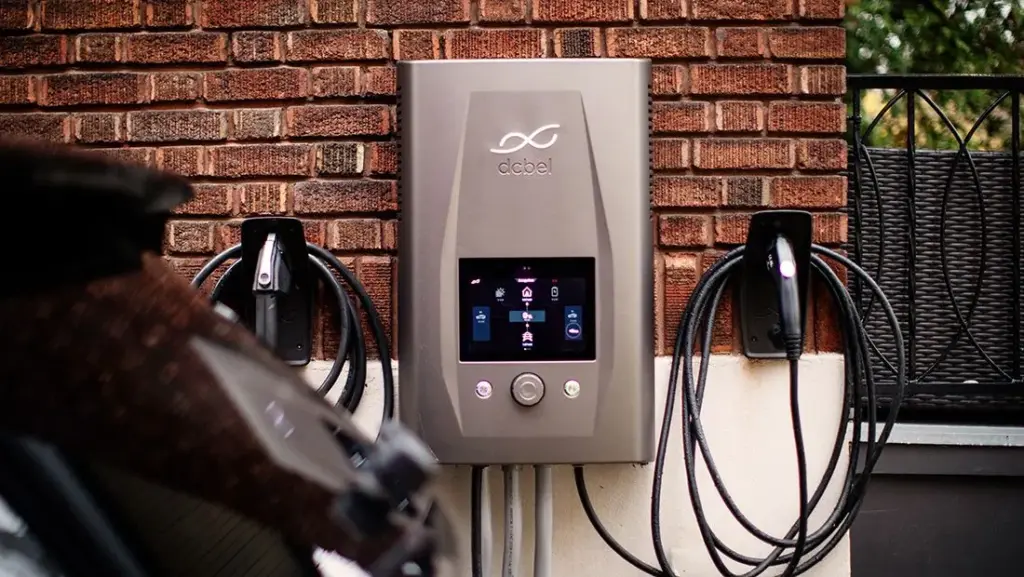
Article contents
The MassCEC programme supports a range of compatible vehicle and charger combinations and covers site assessment, design, bidirectional EVSE procurement and installation for selected residential projects. The pilot is intended to generate practical evidence for future V2H and V2G guidance.
Hardware compatibility is only one part of V2X
MassCEC’s eligible combinations include dcbel Ara with selected Nissan Leaf, Volvo and Polestar applications, alongside other bidirectional systems for vehicles such as the Kia EV9 and Ford F-150 Lightning.
The programme makes clear that discharge capability depends on the specific vehicle, model year, software and charger combination. A bidirectional-capable charger does not make every connected EV capable of exporting energy.
Net metering creates a real regulatory constraint
One of the most useful findings is not about hardware. MassCEC warns that, as of January 2026, homes in investor-owned utility territories cannot receive Massachusetts net-metering compensation if a grid-parallel bidirectional charger is installed on the same utility meter as solar.
The stated problem is measurement: current arrangements cannot necessarily distinguish solar energy exported to the grid from energy that has come from the vehicle battery. That makes it difficult to apply the correct compensation to each source.
V2H can be easier than grid-parallel V2G
MassCEC says solar customers can still install a grid-isolated V2H system for backup operation without losing net-metering compensation. The restriction becomes more significant when the bidirectional charger operates in parallel with the grid and export is part of normal operation.
This illustrates why V2H and V2G should not be treated as the same deployment problem. Both may use similar vehicle and charger hardware, but grid export adds metering, interconnection, tariff and utility requirements.
The pilot is valuable because it exposes the non-hardware barriers
The Massachusetts programme is designed to collect operating data and produce a V2X guidebook. That should help identify where installation, utility rules and compensation mechanisms need to change before bidirectional charging can scale.
Related articles
PG&E expands residential V2X programme with more EVs and charger partners
PG&E has expanded its Vehicle-to-Everything programme in California, adding eligible vehicles from Kia, Volvo, Polestar and Nissan and bringing two more bidirectional charging partners…
EU V2G grid-code consultation closes with charger-to-grid interface unresolved
The European Commission's consultation on revising the Network Code on Requirements for Grid Connection of Generators closes today, 25 August, with the draft extending…
UK lays new electricity-network growth guidance for Ofgem
The UK government has laid draft statutory guidance to the Gas and Electricity Markets Authority, Ofgem's governing body, intended to give greater weight to…