 EVCP Info
Article contents
Bidirectional Energy and PowerFlex have joined the programme as approved partners, broadening the combinations of vehicles, chargers and software available to participating customers.
V2X eligibility depends on the full vehicle-charger combination
PG&E maintains separate eligible-product lists for its residential and commercial V2X programmes. That matters because bidirectional capability is not created by the vehicle or charger in isolation: the approved combination, interconnection arrangement and software controls all determine what functions are available.
The programme is intended to support uses including home resilience, energy-cost management and grid support. Those functions should not be treated as interchangeable. A system that can provide backup power to a home is not automatically authorised to export energy to the distribution network.
More manufacturers are entering utility-managed V2X programmes
The latest expansion adds vehicle options from four more brands and increases the number of approved charging and software partners. That is a useful sign that V2X deployment is moving beyond single-manufacturer demonstrations toward a broader ecosystem.
For installers and hardware providers, the practical questions remain product compatibility, interconnection requirements, export limits, protection, metering and how the utility programme interacts with the vehicle and charger warranties.
The US programme is not a direct template for the UK
PG&E’s programme operates within California’s utility and interconnection framework, so its approved products and export arrangements should not be treated as evidence that the same hardware can be connected for V2G in the UK or Europe.
Its wider relevance is the direction of travel: utilities are increasingly defining approved combinations of vehicle, EVSE and software rather than treating bidirectional charging as a single product feature.
Related articles
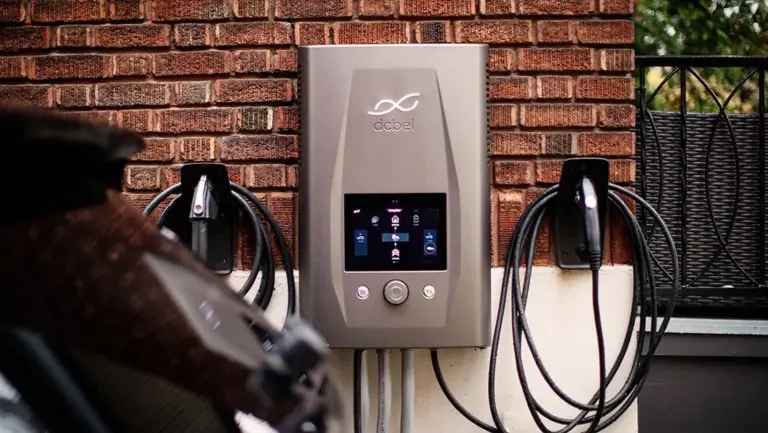
Massachusetts V2X pilot adds dcbel Ara as grid rules expose practical bidirectional-charging limits
Massachusetts' state-backed Vehicle-to-Everything demonstration programme is deploying dcbel Ara Home Energy Stations for selected residential participants, moving bidirectional charging from product capability claims into…
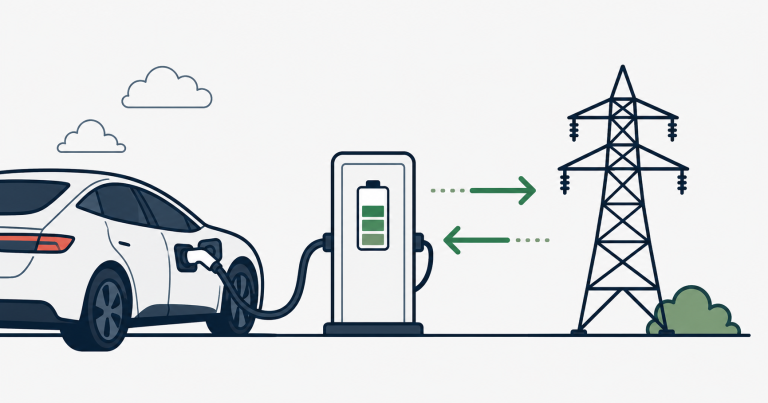
EU V2G grid-code consultation closes with charger-to-grid interface unresolved
The European Commission's consultation on revising the Network Code on Requirements for Grid Connection of Generators closes today, 25 August, with the draft extending…

German grid-fee reforms put charging-park capacity and bidirectional charging under review
Germany's Bundesnetzagentur has opened consultation on a major reform of electricity network tariffs while separately publishing updated working material for the market integration of…