 EVCP Info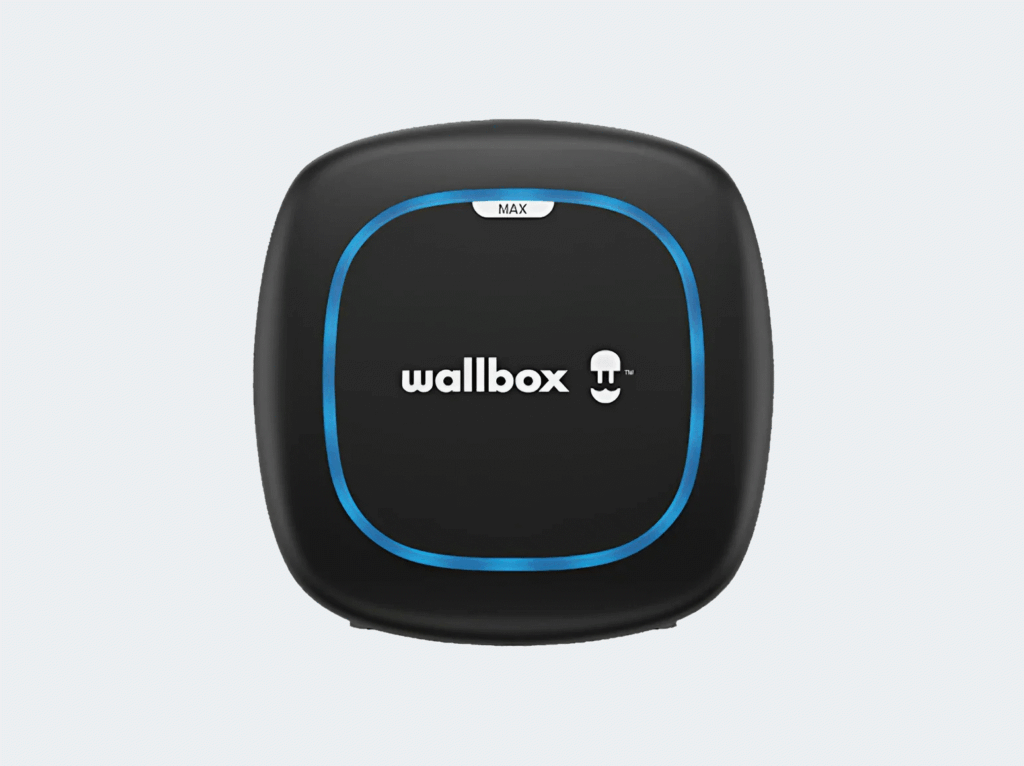
Article contents
The Office for Product Safety and Standards published the Product Safety Report on 2 September 2026. It assigns the issue a Low risk level and describes the hazard as a risk of fire caused by internal electrical connections overheating during use.
Which Pulsar Max units are affected
The report covers the Wallbox Pulsar Max model family PLP2-0-2-2-F-xxx when fitted with the identified EV-gun part number 08 911 02*. It does not describe every Pulsar Max as affected.
OPSS describes the product as a wall-mounted Mode 3 EV charging point with PEN-fault detection. The reported manufacturing defect affects the internal output terminal block and may also reduce charger service life.
Wallbox and Wallbox UK have contacted owners of affected products directly.
The corrective action combines software and physical inspection
OPSS says a software update will be issued and affected chargers will be inspected, with repairs or replacement parts provided where necessary.
The inclusion of software in the corrective action is notable because software cannot repair a defective electrical terminal. It may be used to change how an affected charger operates before or alongside inspection, but OPSS does not state the purpose of the update and that should not be inferred as fact.
The public report also does not specify whether charging current will be derated, whether affected chargers can remain in normal operation before inspection, or the exact repair procedure.
This is a modification programme, not a blanket recall
OPSS lists the measure type as a modification programme and the alert type as a Product Safety Report. The current action is therefore not a recall of every Pulsar Max sold in the UK.
For installers and owners, the practical questions are how affected serial numbers can be identified, whether an inspection requires an authorised Wallbox technician, and whether any operational restrictions apply before corrective work is completed.
More technical detail would help installers assess the issue
Terminal overheating can be associated with increased contact resistance, poor clamping, conductor termination problems or component defects, but the OPSS report does not identify the detailed failure mechanism in this case.
It also does not state whether overheating incidents have occurred in service, the manufacturing dates covered, or whether there has been any damage beyond the defect found during product-safety assessment.
Until Wallbox publishes further technical guidance, affected owners should follow the instructions issued directly by Wallbox rather than attempting to diagnose or modify the charger themselves.
Related articles
FOI study highlights gaps in council oversight of public EV chargers
A Freedom of Information study of 17 English county councils suggests that the information authorities hold about public EV charger performance varies sharply. The…
EV fire risk: what charging-site owners need to know
Electric vehicle fires continue to attract disproportionate attention, but the available evidence does not show battery-electric cars catching fire more frequently than petrol or…
South Gloucestershire retires 2019 EV chargers as replacement phase begins
South Gloucestershire Council is taking its Revive public EV chargers out of service from 20 August after equipment installed in 2019 reached the end…