 EVCP Info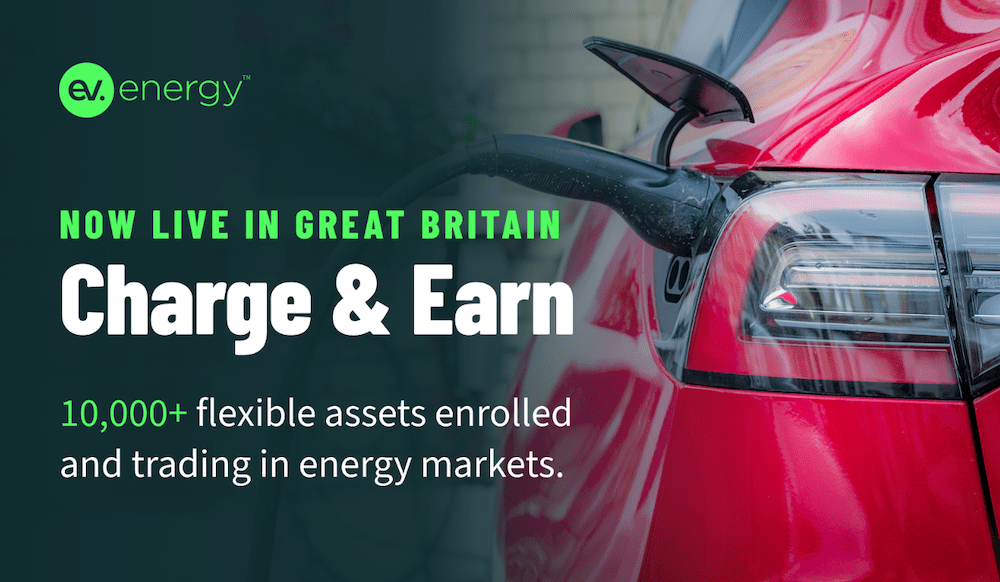
Article contents
The company says more than 10,000 flexible assets are already enrolled and trading through the programme. Participating customers completing five eligible smart charges per week are currently earning an average of about £25 per month, according to ev.energy.
That figure is a reported current participant average rather than a guaranteed saving or fixed monthly payment. Actual earnings depend on how often a vehicle is charged, how much flexibility can be offered around the driver’s requirements and the value available in the relevant electricity markets.
Drivers are being paid for controllable charging demand
Drivers join through the ev.energy app and connect a supported vehicle or charger. The company’s Eve platform can then schedule eligible charging within the user’s requirements and use the resulting flexibility when it has value to the electricity system.
The important distinction is that the payment is not simply a cheaper overnight electricity tariff. The value comes from the ability to move charging demand in time and aggregate that controllable load so it can participate in energy-market activity.
In practical terms, EV charging is developing through three increasingly active layers. Conventional time-of-use optimisation shifts charging into cheaper tariff periods. Managed charging can continuously adjust charging around user needs and system signals. Market-dispatched flexibility goes further by treating aggregated charging demand as a controllable resource whose availability or response can have a market value.
Charge & Earn sits in that third layer. It remains unidirectional smart charging: the programme controls when electricity is consumed. It should not be confused with vehicle-to-grid, which also exports energy from the vehicle battery back to the electricity system.
Charge & Earn Network extends the model to fleets and CPOs
Alongside the driver programme, ev.energy has launched the Charge & Earn Network for businesses. Energy retailers, fleets, charge point operators and other organisations managing charging can enrol users and share in the flexibility revenue generated through the platform.
Partners can use ev.energy’s APIs and driver network rather than building their own energy-market trading and settlement capability. The company says Eve connects to more than 80% of the European market through vehicle and charger integrations and is deployed across more than 55 programmes in North America and Europe.
Those are company-reported coverage figures and do not mean every charger or vehicle can provide the same level of control. The practical flexibility available from any installation still depends on the supported integration, connectivity, charger or vehicle controls, site constraints and the driver’s required departure time and state of charge.
Competition around EV flexibility aggregation is increasing
The launch follows a separate UK flexibility announcement from Virta on 1 September 2026. Virta says it can aggregate charging capacity from CPO-operated AC and DC networks in the UK and France, including networks running on other charge point management systems, and make that capacity available through demand-response services.
The two propositions approach the same emerging opportunity from different directions. ev.energy is putting a direct reward in front of drivers while also opening a partner network for fleets, retailers and CPOs. Virta is targeting the existing charging-network operator and the controllable capacity already installed across its estate.
Both developments point to a change in how charging assets can be valued. For suitable use cases, the commercial value of a charger increasingly depends not only on how many kilowatt-hours it can deliver, but also on whether its load can be measured, controlled and aggregated without preventing the driver from getting the energy they need.
Related articles
Virta opens UK and French EV charging networks to grid-flexibility revenue
Virta has launched a grid-flexibility service for charge point operators in the UK and France that can work across AC and DC charging networks…
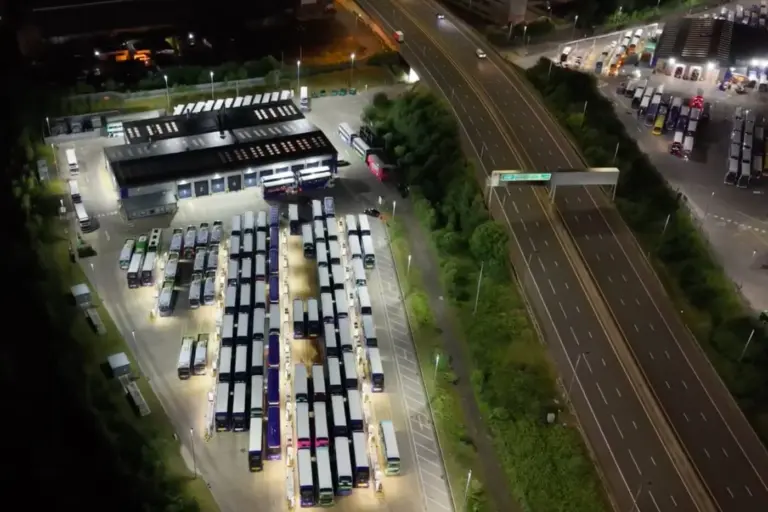
First Bus expands smart charging from 34 to 172 outlets at Glasgow depot
First Bus has expanded Optimo Energy's charging-management system from 34 to all 172 charging outlets at its Caledonia depot in Glasgow following an initial…
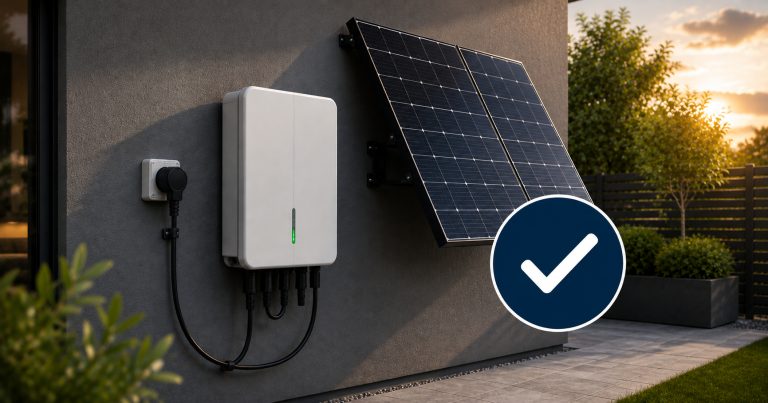
Plug-in solar becomes legal in Great Britain
Compliant plug-in solar devices can now legally be bought and used across Great Britain after the new regulatory framework came into force on 27…