 EVCP Info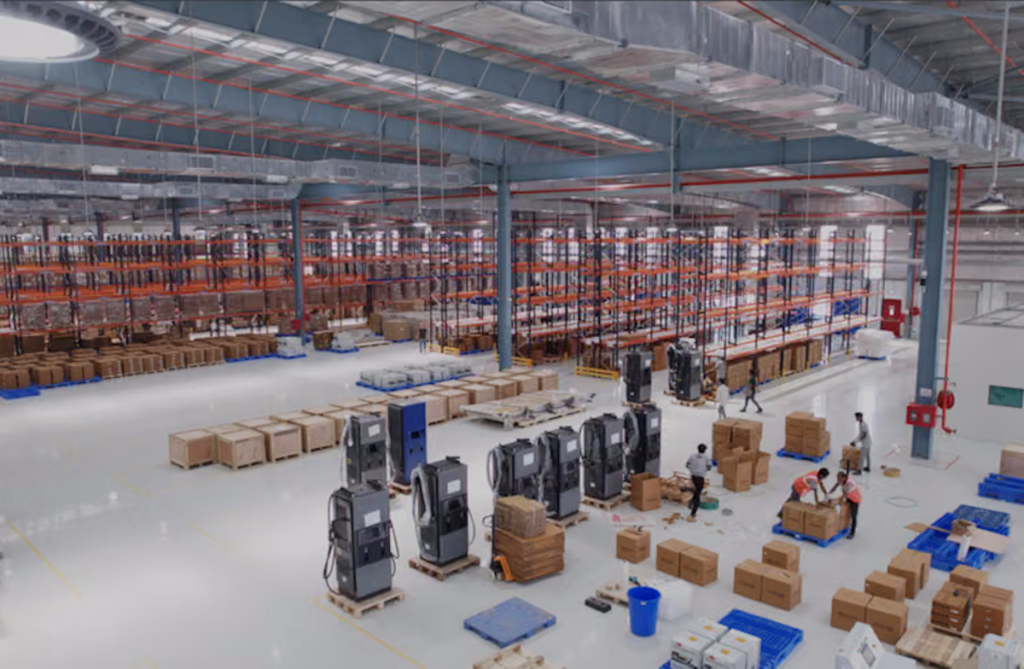
Article contents
The company describes itself as the first Indian manufacturer to produce this class of liquid-cooled AC and DC power modules domestically, with production intended for Indian and export markets.
Liquid cooling moves deeper into the charger architecture
Liquid cooling is already familiar in high-current charging cables, but this announcement concerns the power electronics inside the charging system.
As charger power density and utilisation increase, removing heat from power modules becomes more important. Liquid cooling can allow more compact packaging and better thermal control than air-cooled designs in demanding operating conditions.
The trade-off is additional system complexity. Pumps, seals, coolant circuits and heat exchangers become part of the equipment that has to be monitored and maintained over the charger’s operating life.
Hyderabad plant supports Exicom and Tritium technology
Exicom opened its new Hyderabad manufacturing facility earlier in 2026 with dedicated power-electronics production and testing capability. The plant was already intended to manufacture Tritium liquid-cooled power modules following Exicom’s acquisition of the Australian charger business.
Exicom says the new liquid-cooled architecture will also feed into future versions of its own high-power DC charging portfolio.
For charger specifiers, the announcement is another sign that thermal-management architecture is becoming a more visible part of high-power hardware selection rather than an internal design detail.
Related articles
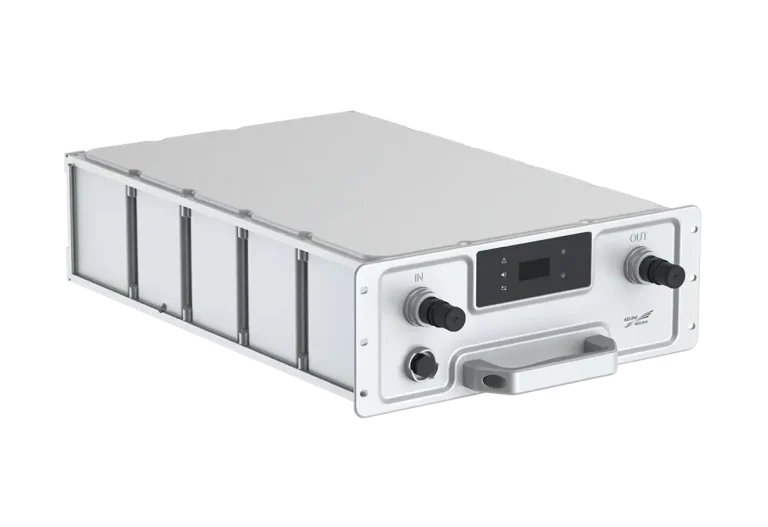
Kehua launches 40 kW and 80 kW power modules for DC charging
Kehua has launched a new 40 kW charging power module and an 80 kW VPFC module aimed at higher-power DC charging systems.
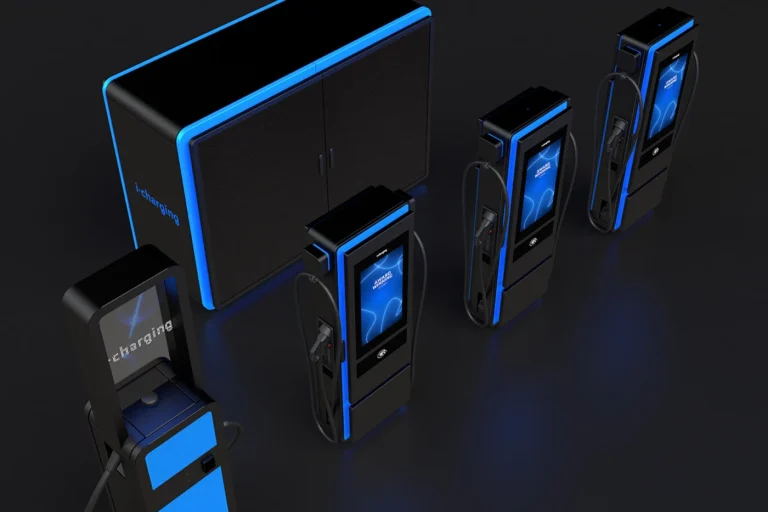
i-charging begins delivery of 1.6 MW MAX platform for multi-vehicle charging hubs
Portuguese charging equipment manufacturer i-charging has begun commercial delivery of its MAX charging platform, with the first systems now being installed at customer sites…
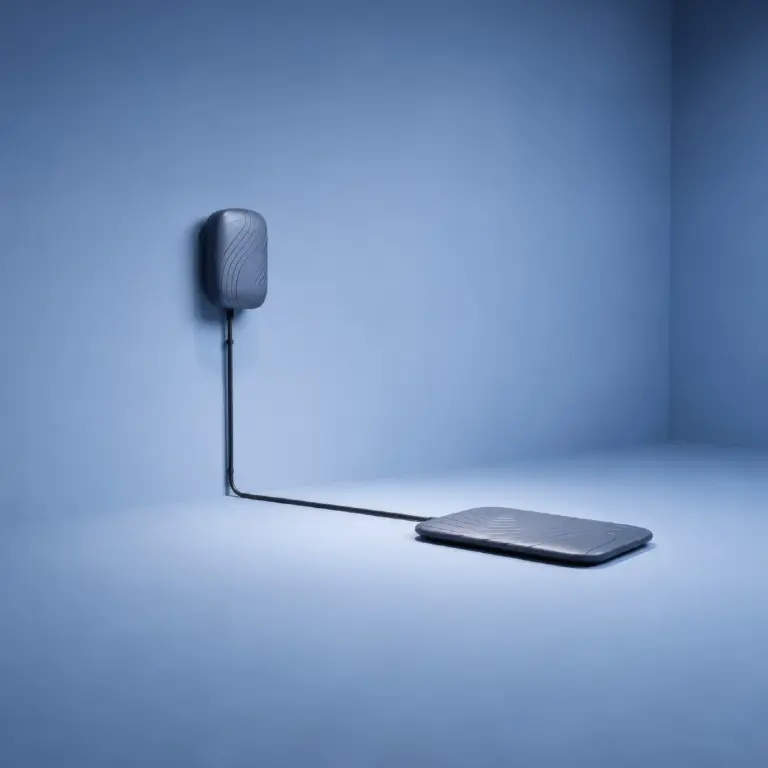
Electreon introduces 11 kW above-ground wireless EV charger
Electreon has introduced Lite DOT, an above-ground stationary wireless charging system for electric passenger cars and light commercial vehicles, at IAA Transportation 2026 in…