 EVCP Info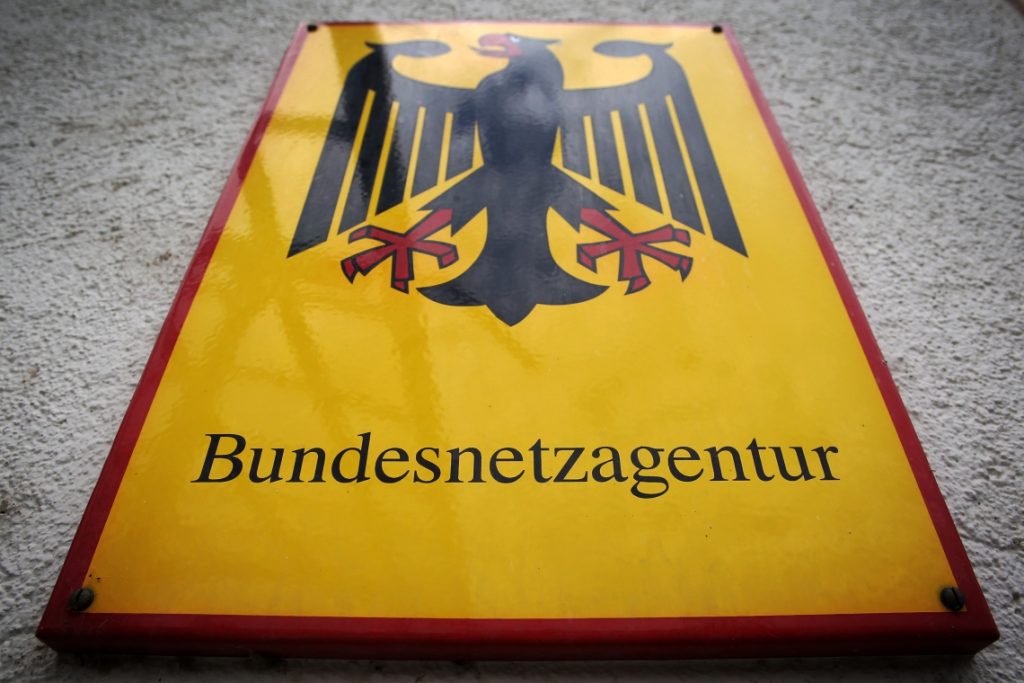
Article contents
The AgNes final draft was published for consultation on 6 August 2026, with comments due by 18 September. The regulator plans to issue the framework determination by the end of 2026, with more detailed rules following in 2027 and the new general network-tariff system intended to replace the existing StromNEV framework from 2029.
Large charging sites could face a stronger capacity signal
The AgNes work is relevant to high-power charging because the proposed tariff structure places greater emphasis on the capacity a network user orders, alongside energy-based charges.
For a large charging park, that makes peak demand and connection sizing economically important. A site designed for a very high simultaneous charging peak could face a different network-cost profile from one that uses load management, storage or staged charging to reduce the capacity it needs from the grid.
MiSpeL deals with storage and charging points
A day before the AgNes consultation opened, Bundesnetzagentur published the current working status of its MiSpeL determination. MiSpeL is intended to address the market integration of storage and charging points, including situations where energy can flow in both directions.
The regulator says the working material was published to inform the market and to provide orientation for the parallel AgNes process. Current planning is for MiSpeL to take effect from 1 October 2026 with transitional arrangements, although the published material remains part of an evolving regulatory process.
Bidirectional charging makes tariff design more complicated
A conventional charger is mainly a controllable electricity load. A bidirectional charger can also export energy, which raises questions over when grid fees should apply and how energy that is stored and later returned should be treated.
The German work is relevant beyond Germany because it shows the regulatory detail required once EV batteries are expected to participate actively in electricity markets rather than simply consume energy.
Related articles
UK lays new electricity-network growth guidance for Ofgem
The UK government has laid draft statutory guidance to the Gas and Electricity Markets Authority, Ofgem's governing body, intended to give greater weight to…
240 MW Chessington battery project clears EIA screening stage
Kingston Council has determined that a proposed 240 MW battery energy storage project at Chessington does not require a full Environmental Impact Assessment at…
Plug-in solar becomes legal in Great Britain
Compliant plug-in solar devices can now legally be bought and used across Great Britain after the new regulatory framework came into force on 27…