 EVCP Info
Article contents
EO Charging’s story is instructive. Founded as a domestic charging hardware business, the company pivoted in recent years toward a platform-led commercial fleet model –developing depot charging software designed to help fleet operators manage charging schedules, optimise energy use and track performance across large EV fleets. Its customer list was impressive, including Amazon, DHL and Tesco. The technology was well-regarded. But the shift in business model was expensive, the path to profitability proved elusive, and when the capital markets tightened for EV charging companies, the company ran out of runway.
Pod’s acquisition gives EO’s technology and remaining capabilities a long-term home. For Pod, the deal expands its fleet charging and energy management offering considerably, adding depot charging software that can be integrated with its existing hardware and services business. Existing EO customers are expected to continue receiving services under the new ownership, preserving continuity for fleet operators who had built their operations around EO’s platform.
The transaction fits a pattern that has become familiar across the EV charging sector. Well-funded acquirers are picking up distressed or failed operators for their technology, customer relationships or geographic presence – often at prices well below what the business raised in its last funding round. That dynamic is uncomfortable for earlier investors but broadly rational for the sector: it preserves assets that would otherwise be lost and concentrates capability in operators with the balance sheet strength to develop it.
For fleet operators, the consolidation is creating a market where a smaller number of larger providers control the dominant depot charging platforms. That may simplify procurement decisions over time, but it also reduces the competitive diversity that can drive innovation and keep costs in check. How the fleet charging platform market develops over the next two to three years will be one of the more consequential dynamics in the broader EV transition.
Related articles
Jolt Capital and Tesi acquire VEV from Vitol
Commercial fleet-electrification company VEV has moved into new ownership, with Jolt Capital and Finnish state-owned investor Tesi acquiring the business from Vitol alongside VEV…
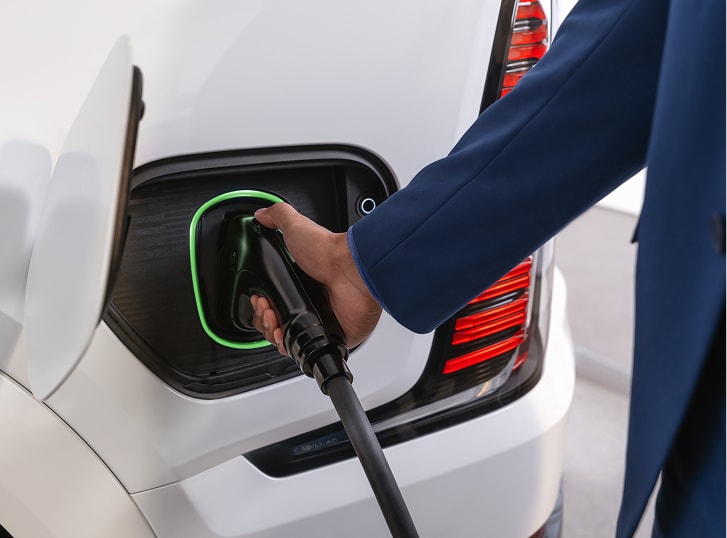
Wigan launches £110m EV charging concession for council car parks
Wigan Council has opened procurement for a long-term electric vehicle charging concession covering council-owned car parks across the borough. The selected partner will be…

Rightcharge raises £500,000 to expand fleet charging payments across Europe
UK fleet charging payments business Rightcharge has raised £500,000 from existing investors as it expands its home-charging reimbursement and charging-payment services across Europe.