 EVCP Info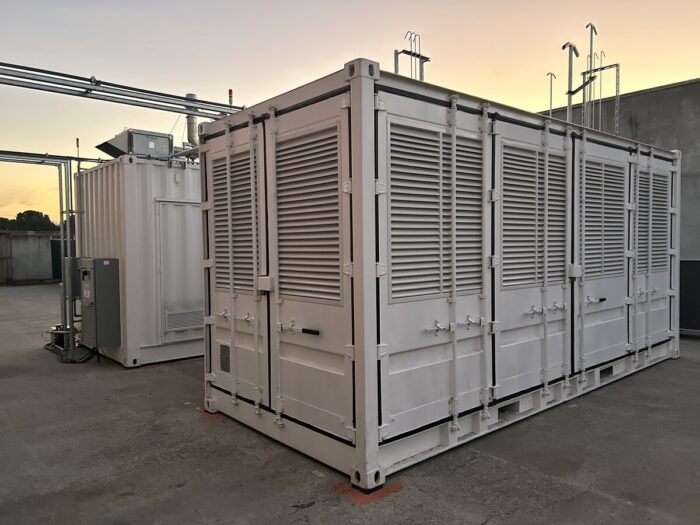
Article contents
The programme covers electrochemical storage and underground hydrogen storage, with the aim of developing technologies that can store energy over periods far beyond conventional grid batteries.
First electrochemical competition offers up to £3 million
As part of the challenge, Innovate UK has opened a competition offering up to £3 million for project-development studies for electrochemical Ultra-LDES technologies.
Eligible technologies must be capable of at least 100 continuous hours of discharge and are expected to support planned UK demonstrator projects. A further phase of at least £10 million is planned for large-scale demonstrations.
Separate work under the challenge will support underground hydrogen storage.
This is not charger-side battery storage
Ultra-long duration storage operates on a very different timescale from batteries normally installed behind EV charging hubs or fleet depots. Those systems are generally used for short-term peak management, grid constraints or tariff optimisation rather than storing energy for several days.
The relevance to charging is further upstream. If longer-duration storage becomes commercially viable, it could help the wider electricity system manage periods of low renewable generation while large new loads, including high-power charging, continue to grow.
The launch also completes a wider £102 million set of Clean Energy challenges, including a £74 million Consumer-led Flexibility Challenge focused on shifting electricity demand as well as increasing storage.
Related articles
240 MW Chessington battery project clears EIA screening stage
Kingston Council has determined that a proposed 240 MW battery energy storage project at Chessington does not require a full Environmental Impact Assessment at…
UK lays new electricity-network growth guidance for Ofgem
The UK government has laid draft statutory guidance to the Gas and Electricity Markets Authority, Ofgem's governing body, intended to give greater weight to…
Plug-in solar becomes legal in Great Britain
Compliant plug-in solar devices can now legally be bought and used across Great Britain after the new regulatory framework came into force on 27…