 EVCP Info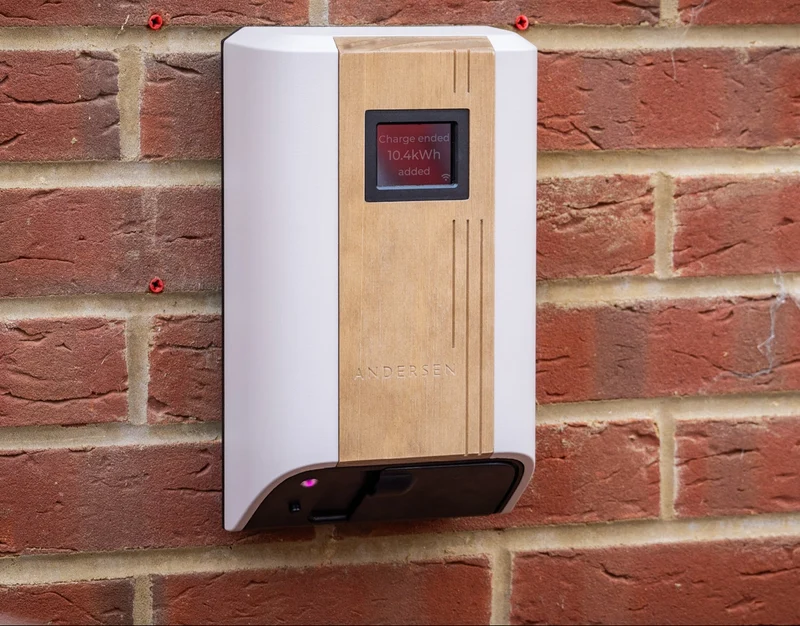
Article contents
The integration is available with Andersen Quartz, Quartz Vision, A3 and compatible A2 charge points. Customers need an eligible EDF electricity tariff and compatible smart meter.
EDF takes control of the charging schedule
Users set when they need the vehicle to be ready, while EDF’s system decides when charging should take place. The aim is to move charging towards lower-cost periods rather than requiring the driver to manage a fixed schedule manually.
EDF says existing charger or third-party charging schedules should be disabled to avoid conflicting controls. A boost function remains available when the driver needs an immediate charge.
The £5 credit is tied to participation
Customers who remain opted in and regularly use EDF Smart Charging receive a £5 credit on their monthly energy bill, equivalent to £60 a year. The credit is therefore an incentive to allow EDF to manage charging rather than a general discount available to every Andersen owner.
When paired with EDF’s GoElectric tariff, smart charging can also unlock lower-price electricity for the wider home during qualifying charging periods.
Compatibility now extends beyond the vehicle itself
Smart charging can be controlled through either a compatible vehicle connection or a compatible charger, depending on the setup. Charger integration is useful because it can support customers whose vehicle is not directly connected to the energy supplier’s control platform.
The Andersen partnership adds another hardware brand to EDF’s smart-charging ecosystem and gives existing charger owners a new tariff option without replacing the charging unit.
Energy tariffs are becoming part of charger functionality
For home-charger buyers, tariff compatibility is increasingly becoming part of the practical product specification. The charger may be electrically capable of delivering the same 7 kW regardless of supplier, but integration can change when it charges, how much the user pays and which app or platform controls the session.
That also makes control conflicts and data access important. Customers need to understand which platform owns the charging schedule and what connectivity is required for the tariff benefit to continue.
Related articles
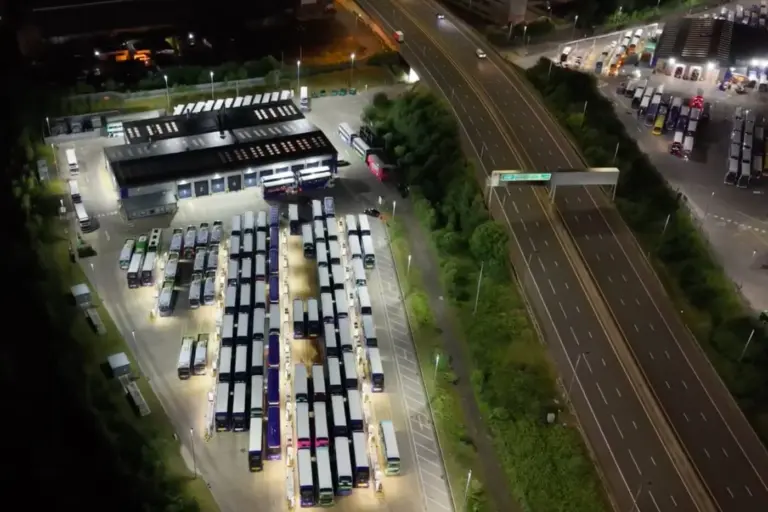
First Bus expands smart charging from 34 to 172 outlets at Glasgow depot
First Bus has expanded Optimo Energy's charging-management system from 34 to all 172 charging outlets at its Caledonia depot in Glasgow following an initial…
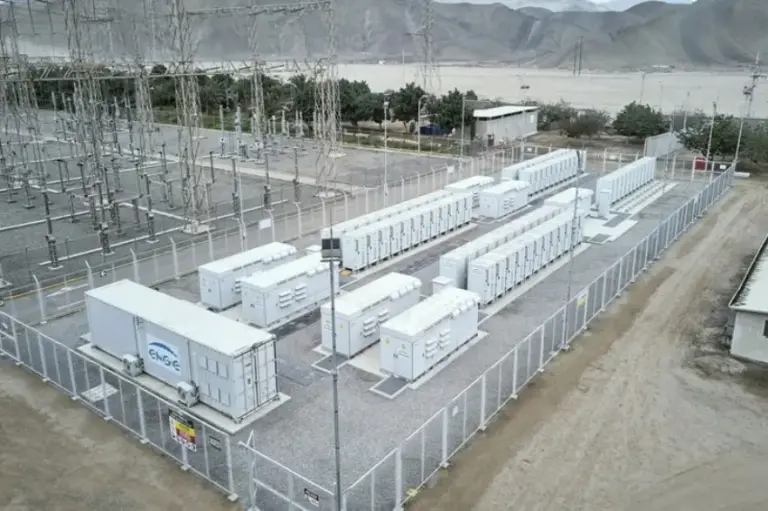
European battery-storage installations forecast to rise 78% to 57 GWh in 2026
European battery-storage installations are forecast to reach approximately 57 GWh in 2026, up from 32 GWh in 2025, according to EUPD Research's latest Electrical…
ev.energy launches scheme paying drivers for flexible EV charging
ev.energy has launched Charge & Earn in Great Britain, a programme that pays eligible EV drivers when their charging can provide flexibility to electricity…