 EVCP Info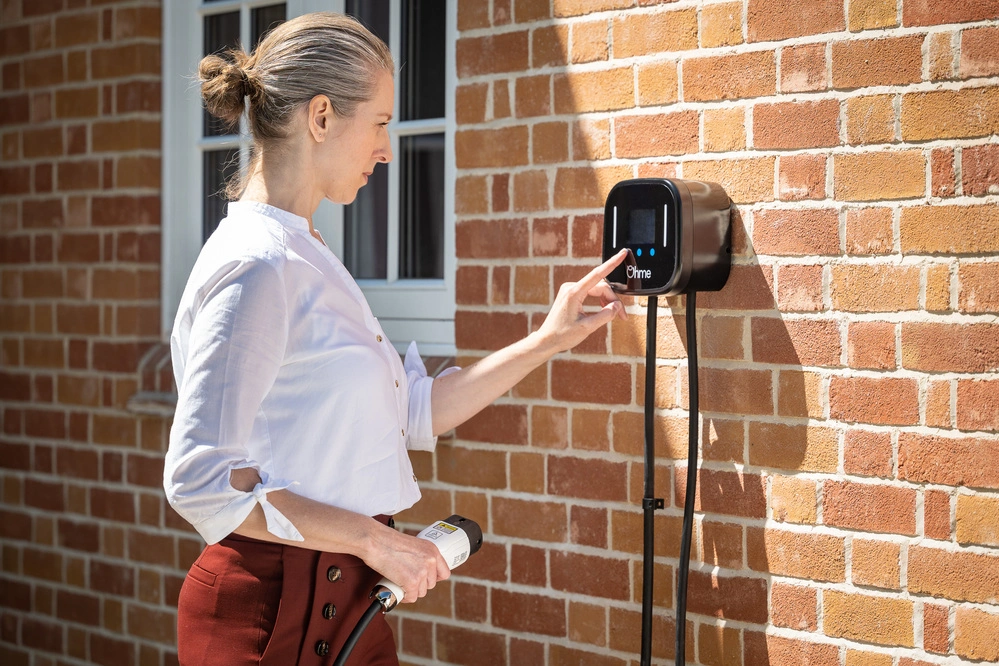
Article contents
The pilot begins in mid-August and is open by invitation to existing Ohme customers in the Republic of Ireland. Participants are encouraged to leave their vehicles connected more often, allowing charging to be shifted around network conditions and individual charging requirements.
The trial rewards availability as well as charging
The interesting part of EV Flex is that participants are not simply being asked to charge at a fixed cheap period. ESB Networks wants to understand whether drivers will make their vehicles available for longer so charging can be moved to times that better suit local and wider network needs.
Ohme says participants can earn up to €78 during the six-month trial, with rewards linked to engagement.
Driver requirements remain part of the schedule
Ohme’s platform can take account of when the vehicle needs to be ready and the driver’s desired charge level. ESB Networks can then send signals that adjust the charging schedule within those constraints.
That is important because flexible charging only works operationally if the vehicle is still ready when the driver needs it. A flexibility service that repeatedly compromises mobility would be unlikely to maintain customer participation.
Plug-in behaviour is a flexibility resource
A charger cannot shift demand if the vehicle is not connected. Encouraging customers to plug in whenever they are parked at home therefore increases the window in which the system can choose when to deliver the required energy.
For network operators, a longer connection window can help reduce charging during peaks, make use of periods with more available generation and manage areas where clusters of EVs place additional demand on the local network.
The trial is about behaviour as much as technology
EV Flex uses existing Ohme smart-charging technology rather than requiring participants to install a new type of charger. The research question is how customers respond when flexibility is automated and financially rewarded.
Related articles
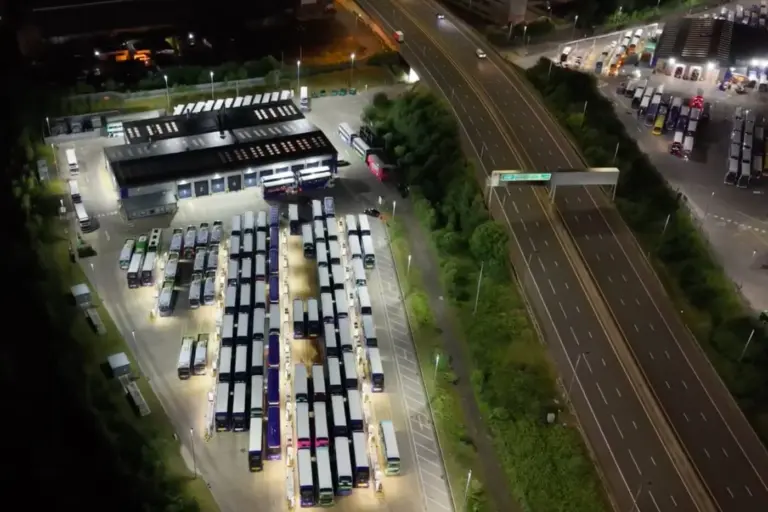
First Bus expands smart charging from 34 to 172 outlets at Glasgow depot
First Bus has expanded Optimo Energy's charging-management system from 34 to all 172 charging outlets at its Caledonia depot in Glasgow following an initial…
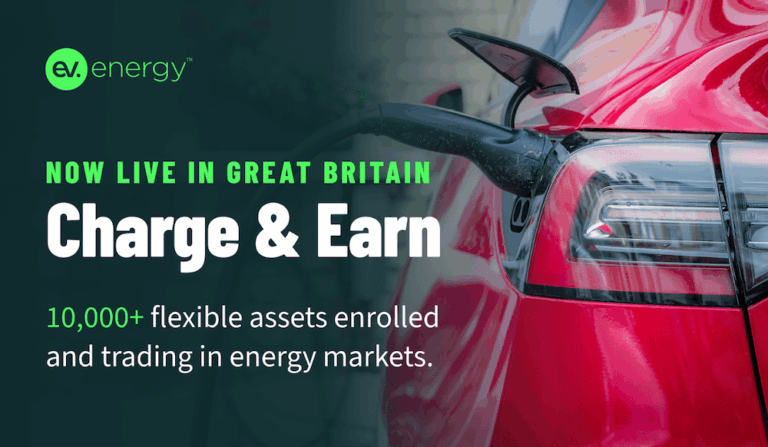
ev.energy launches scheme paying drivers for flexible EV charging
ev.energy has launched Charge & Earn in Great Britain, a programme that pays eligible EV drivers when their charging can provide flexibility to electricity…
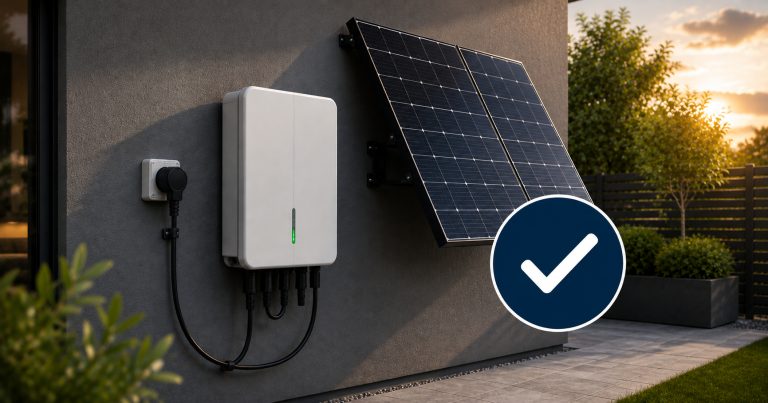
Plug-in solar becomes legal in Great Britain
Compliant plug-in solar devices can now legally be bought and used across Great Britain after the new regulatory framework came into force on 27…