 EVCP Info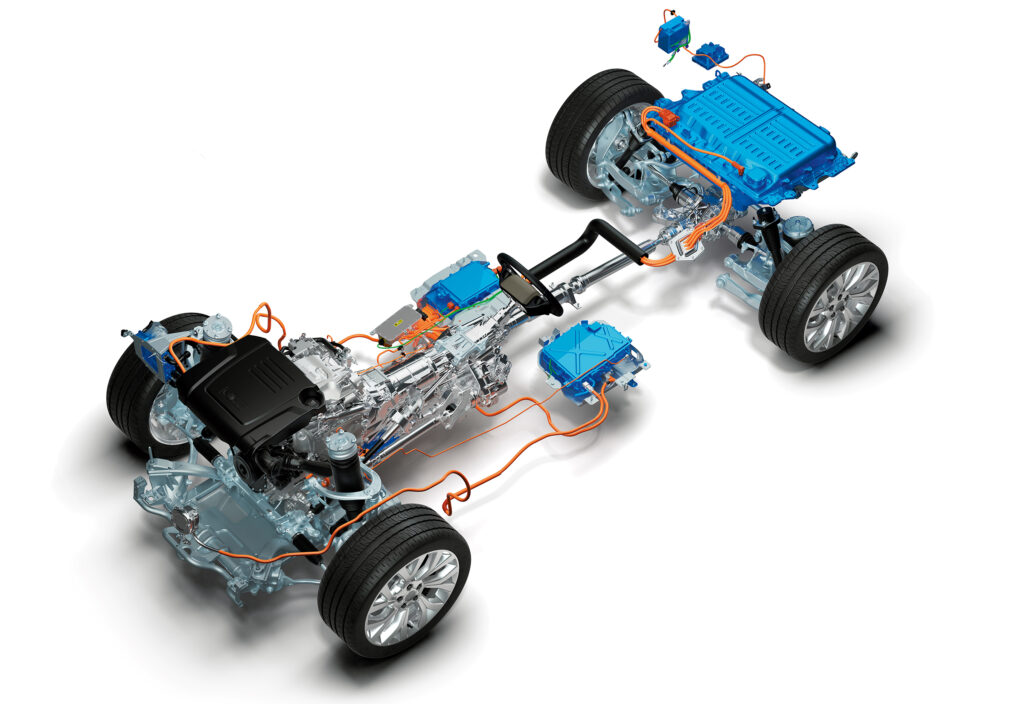
Article contents
Recent reporting cites Department for Transport research showing that 21% of UK PHEV drivers do not have access to home charging. The Times also reported European evidence showing a large gap between official PHEV emissions figures and real-world performance where vehicles are not plugged in as frequently as test assumptions expect.
PHEV performance depends on charging access
A plug-in hybrid carries both an internal-combustion engine and a rechargeable traction battery. Its practical fuel use depends heavily on how often the battery is replenished and whether daily journeys can be completed within the vehicle’s electric range.
For a driver with reliable home or workplace charging, short routine journeys can be completed predominantly on electricity. A driver who depends on inconvenient or expensive public charging may be much more likely to use petrol instead.
Registration numbers do not show electric mileage
This matters when PHEVs are used as part of forecasts for charging demand or vehicle emissions. Two identical PHEVs can have very different energy use depending on charging frequency, journey length and driver behaviour.
It also means that an increase in PHEV registrations should not automatically be translated into the same charging demand as an equivalent number of BEVs. The more useful indicators are charging access, plug-in frequency and the proportion of miles driven electrically.
Tax policy already recognises the mixed-energy model
The government’s Electric Vehicle Excise Duty framework, due to take effect from April 2028, explicitly treats PHEVs differently from fully electric cars. The published design sets a lower mileage-based rate for PHEVs because they will also continue paying fuel duty when operating on petrol or diesel.
That tax treatment reflects the same underlying point: PHEVs use two energy sources, and policy cannot assume the battery provides all or even most of their real-world mileage.
Charging policy becomes more important if PHEVs remain prominent
If future ZEV mandate changes allow PHEVs to occupy a larger share of the new-car market, convenient routine charging becomes more important rather than less. Without it, the vehicles may deliver less electric mileage than policymakers or buyers expect.
For infrastructure planning, that strengthens the case for affordable residential, workplace and destination charging where vehicles naturally spend time parked. PHEVs do not necessarily need high-power charging; they need charging that is easy enough to use regularly.
Related articles

EVA England launches UK-wide driver survey on EV charging and policy
EVA England has launched its annual UK-wide driver survey, asking electric, hybrid, petrol and diesel drivers to share their views on charging, vehicle affordability,…
Weaker ZEV targets could delay £1.56bn of home-charging investment, BEAMA warns
Weakening the UK's Zero Emission Vehicle mandate could delay up to £1.56 billion of domestic EV chargepoint sales and installations by 2034, according to…
Moray approves £923 cross-pavement EV charging policy
Moray Council in Scotland has approved a policy allowing eligible residents without off-street parking to install cross-pavement EV charging infrastructure beneath the public footway.