 EVCP Info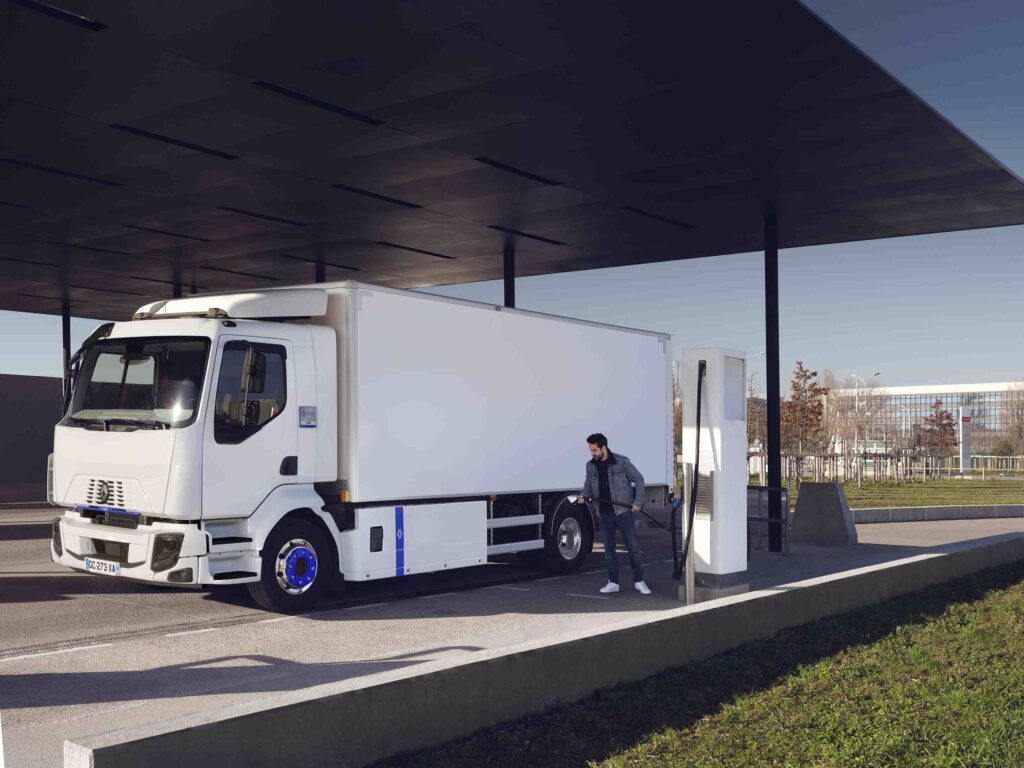
Article contents
The case study involved the Scottish Wholesale Association, Renault Trucks, Vertellus, United Wholesale and Creed Foodservice, using 18-tonne Renault Trucks E-Tech D vehicles on real multi-drop routes across multiple seasons.
Average battery use was only 36%
The vehicles used just 36% of their battery capacity on average, leaving substantial unused range on many routes.
That is significant for charger specification because vehicles returning to depot with a large amount of remaining energy may not need the highest available charging power if they remain parked for a long overnight dwell period.
Depot charging delivered lower operating costs
United Wholesale reported operating costs around £10 to £20 lower per 100 km than diesel, while Creed Foodservice estimated annual running-cost savings of £6,630 per vehicle. The figures use February 2026 energy prices.
The study still identifies charging availability outside major urban areas and confidence in route planning as limitations, particularly as fleets move beyond predictable local and regional work.
The results show why route data and depot dwell time can be more useful than maximum vehicle range when deciding how much charging power a fleet actually needs.
Related articles
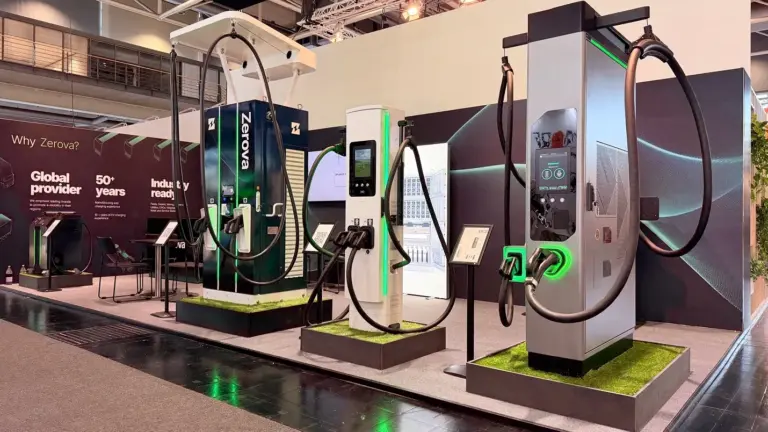
Zerova brings 1.44 MW MCS dispenser to Europe
Zerova has introduced its megawatt-class MCS fleet satellite dispenser to the European market at IAA Transportation 2026 in Hanover, specifying up to 1,440 kW…
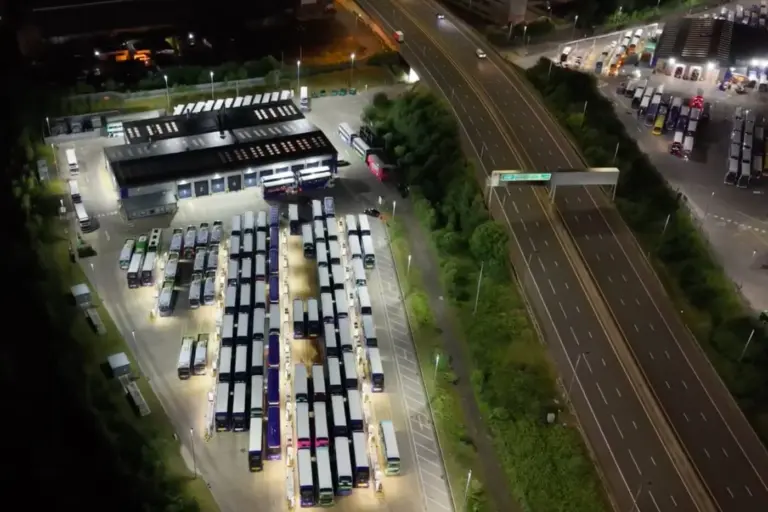
First Bus expands smart charging from 34 to 172 outlets at Glasgow depot
First Bus has expanded Optimo Energy's charging-management system from 34 to all 172 charging outlets at its Caledonia depot in Glasgow following an initial…

Paua and Zaptec combine home, workplace, depot and public fleet charging
Paua and Zaptec have formed a UK partnership intended to bring home, workplace, depot and public EV charging into one fleet-management and payment environment.