 EVCP Info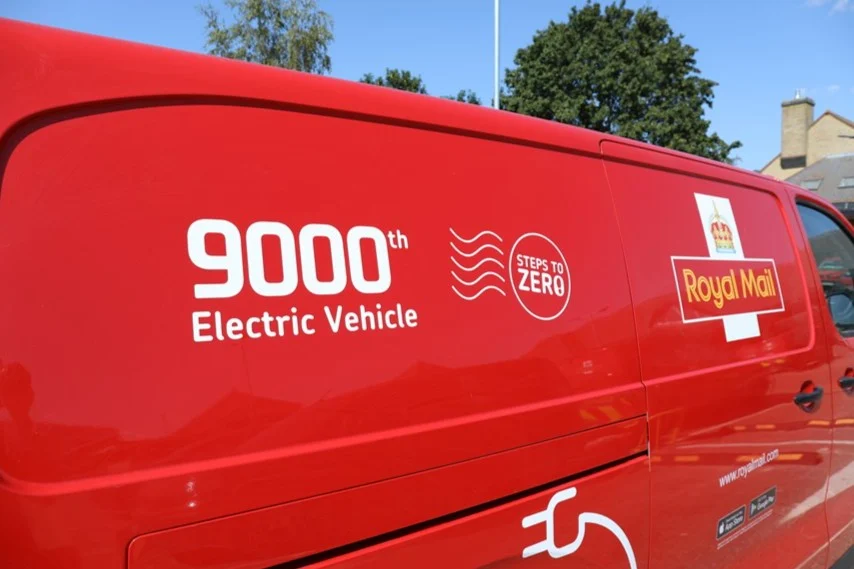
Article contents
The latest vehicle has entered service at Colchester Delivery Office, where it joins more than 120 electric vans already operating from the site. Royal Mail says 44 of its delivery offices are now fully electric and around 31% of its delivery routes are zero-emission.
Royal Mail began its electric-van rollout in 2017 with an initial order of 100 vehicles. The fleet has since expanded into one of the largest operational electric delivery fleets in the UK.
The charging infrastructure is more interesting than the milestone
Nine thousand vehicles is a significant fleet number, but for charging infrastructure the more useful question is how those vehicles are being supported across Royal Mail’s estate.
Delivery fleets can be well suited to depot charging because vehicles often operate on repeatable routes and return to a known base. That creates predictable dwell periods in which charging can be scheduled around the next day’s operational requirement rather than every vehicle needing to charge at maximum power as soon as it arrives.
At the scale Royal Mail is now operating, however, charging becomes a site-energy and operational-planning problem rather than a collection of individual charger installations. A depot with more than 100 electric vans has to consider how many vehicles need energy at the same time, how much each vehicle needs before departure and what the site electrical connection can support.
Royal Mail is becoming a useful fleet-charging reference point
The company’s public communications confirm that it has continued investing in charging infrastructure alongside the vehicles, but the technical detail remains limited.
As the fleet grows beyond 9,000 vans, Royal Mail could provide useful evidence on questions that are increasingly relevant to other large fleets: charger utilisation, the amount of spare connection capacity required at depots, maintenance requirements, charging availability and the value of centralised energy management across multiple sites.
Related articles
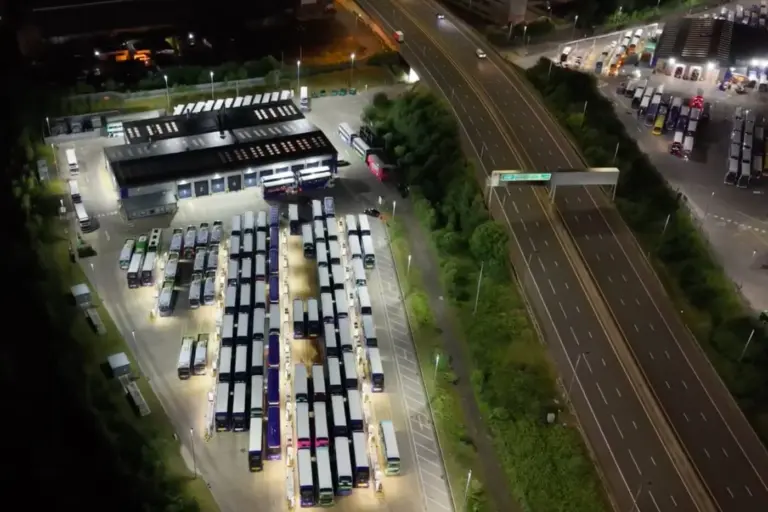
First Bus expands smart charging from 34 to 172 outlets at Glasgow depot
First Bus has expanded Optimo Energy's charging-management system from 34 to all 172 charging outlets at its Caledonia depot in Glasgow following an initial…

Paua and Zaptec combine home, workplace, depot and public fleet charging
Paua and Zaptec have formed a UK partnership intended to bring home, workplace, depot and public EV charging into one fleet-management and payment environment.
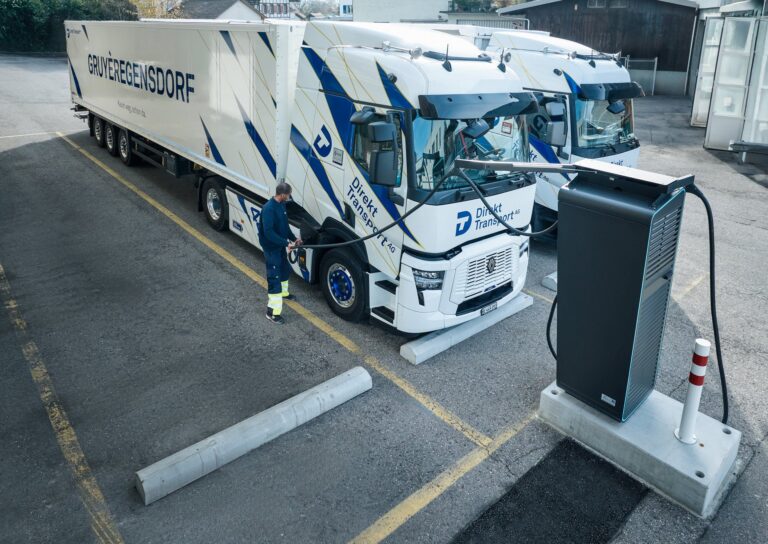
Swiss shared depot-charging network grows to 126 truck charging points
ASTAG Charge says 64 Swiss transport companies with around 400 vehicles have now joined its shared electric-truck charging network.